

El Salvador is the smallest country in Central America — roughly the size of New Jersey. It has no Amazon basin, no vast highland plateau, and no outsized landmass to dominate production tables. What it does have is twenty volcanoes, mineral-rich volcanic soil, and over a century of accumulated coffee craft.
For anyone who takes coffee seriously, El Salvador deserves your attention.
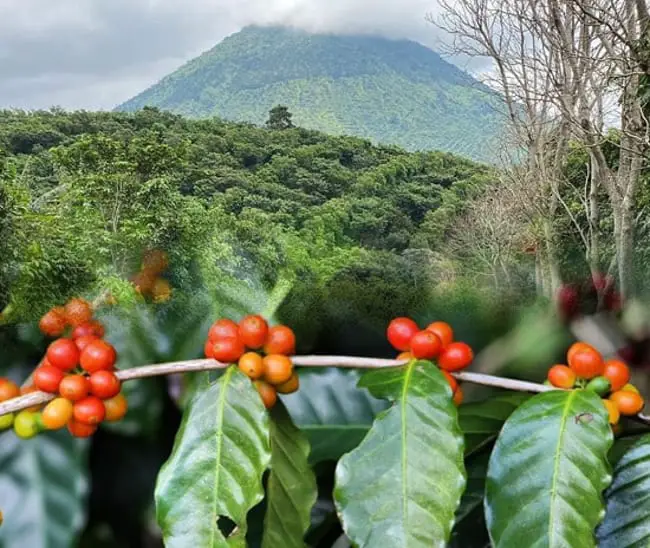
How It Started
Coffee arrived in El Salvador around 1740, introduced to the western part of the country — most likely travelling from Africa through the island of Martinique, which distributed coffee across the Caribbean and into Central America. For over a hundred years, it remained small, was grown for domestic use, and stayed largely unremarkable on the world stage.
That changed in the mid-1800s. The global demand for indigo — El Salvador's dominant export crop — collapsed as synthetic chemical dyes replaced natural ones. Suddenly, the country needed a new engine. Coffee became that engine.
By 1880, coffee had replaced indigo as El Salvador's primary export. By the early 1900s, it accounted for more than 90% of the country's exports. The "golden age of coffee" had arrived — and cities such as Santa Ana, at the heart of the Apaneca-Ilamatepec growing region, became among the most prosperous in Central America.
The Difficult Middle
Coffee wealth, like most monoculture wealth, was concentrated. A small landed elite controlled most of the production, and their influence shaped the country's politics and military in ways that would cast a long shadow.
The civil conflict of the 1980s hit the coffee industry hard. Investment dried up, farms were abandoned, and yields fell. What had been a dominant global export shrank to a fraction of its former size.
But here's what that period accidentally preserved: while other coffee-producing countries were ripping out their old heirloom trees and replanting with higher-yield, disease-resistant hybrids, many Salvadoran farms sat largely untouched. The old varieties survived.
When peace came in the 1990s and when the Cup of Excellence competition arrived in El Salvador in the early 2000s, producers had something remarkable to work with.
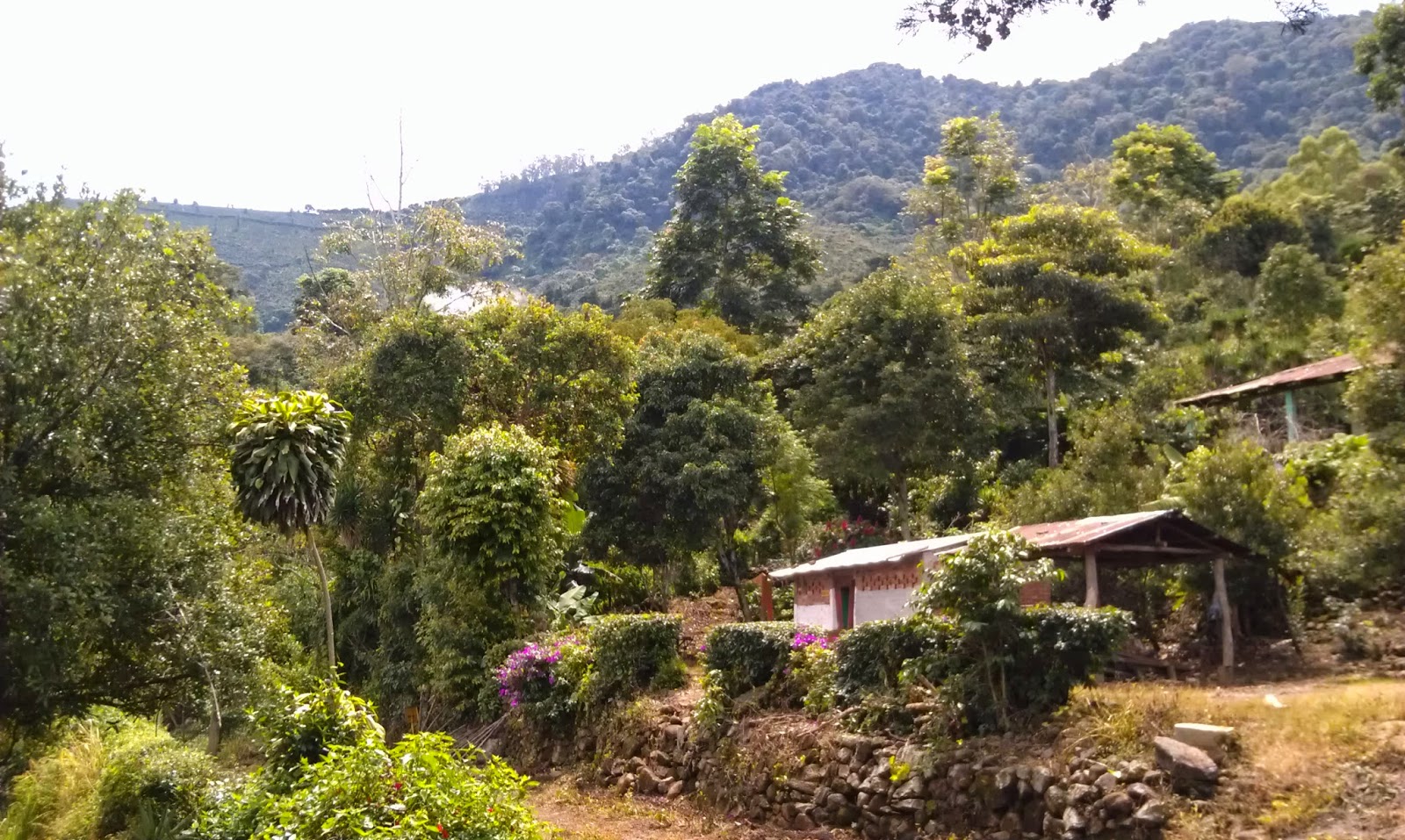
What the Soil Makes Possible
El Salvador is known as "the land of volcanoes" for good reason. The country sits within the Central American volcanic arc, and its coffee grows in mineral-rich volcanic soil across six recognized growing regions — each shaped by altitude, microclimate, and the distinct character of its volcanic terrain.
The most prominent is Apaneca-Ilamatepec in the west, home to the Santa Ana Volcano and some of the country's most celebrated estates. Altitudes here range from 500 to over 2,300 metres above sea level. Chalatenango in the north produces high-altitude coffees with exceptional clarity. Tecapa-Chinameca in the east, shaped by the Chaparrastique Volcano, is known for sweet, balanced, full-bodied cups. Each region lends its own signature to the bean.
Almost all Salvadoran coffee is shade-grown — about 95% of production. The forest canopy that shades the coffee plants also forms a significant portion of El Salvador's remaining forests. The Apaneca-Ilamatepec region, for instance, has been designated a UNESCO Biosphere Reserve. The coffee and the ecosystem are inseparable.
The Varieties That Set It Apart
If there's one thing that distinguishes El Salvador in the specialty coffee world, it's its varieties.
Bourbon is the cornerstone — introduced from the island of Bourbon (now Réunion) in the 19th century, grown at high altitudes, and prized for its sweet, balanced cup. Expect notes of chocolate, caramel, and red fruit, with a clean finish. Bourbon trees are low-yield and disease-prone, which is exactly why many producers abandoned them over the decades — and why the farms that kept them are now sitting on something rare.
Pacas was discovered in 1956 by the Pacas family — a natural mutation of the Bourbon variety, smaller and higher-yielding. It accounts for roughly a quarter of all coffee grown in El Salvador today.
Pacamara is El Salvador's most celebrated coffee export — a cross between Pacas and the large-bean Maragogype, developed in the country and unlike anything else in specialty coffee. It's known for elegant acidity, a creamy body, and complex flavour notes: butterscotch, chocolate, red berries, and citrus. Pacamara has won 14 Cup of Excellence competitions and has scored as high as 93.52 points. It's the kind of variety that makes specialty buyers travel specifically for it.

Quality Over Quantity
El Salvador peaked as the world's fourth-largest coffee producer in the 1970s. It won't reclaim that ranking, but that's not the point anymore.
Today, the country produces about 650,000 bags annually — far below its historical peak, yet the volume decline has created room for a different kind of ambition. Producers are focusing on micro-lots and nano-lots, on traceability and varietal expression, and on the precision the specialty market rewards. New processing experiments — natural, honey, and anaerobic fermentation — are underway on farms that also grow some of the oldest Bourbon stock in Central America.
This is coffee that feels deliberate. Structured enough to be interesting and balanced enough to drink every day.
El Salvador at ACE

We feature El Salvador on our menu because it embodies what we look for in a single-origin coffee: traceability, precision, and a flavour profile that rewards attention. Our Salvadoran offerings — including lots such as the Puerto Arturo Natural — rotate with the harvest, reflecting what's freshest and most interesting from the country each season.
The Puerto Arturo Natural is a good example of what makes this origin worth seeking out. Natural processing — where the coffee cherry is dried whole around the seed before milling — amplifies the fruit-forward sweetness already present in Salvadoran beans. The result is a cup with body, complexity, and the kind of balance the country has always been known for.
When we source from El Salvador, we're looking for that same quality: coffees grown with intention at altitude, on farms that have kept their heirloom varieties alive, processed carefully and traceable to origin. That standard doesn't change season to season — only the specific lot does.
Ask our team what's current. We're always happy to talk through what's on the bar.

Comments (0)
There are no comments for this article. Be the first one to leave a message!